











Diane Silky Lace Front Wigs: Short to Medium Length (6″-14″)

Description
Experience the epitome of luxury with the Diane Silky Lace Front Wigs, available exclusively at Afroditewigs.co.uk. These exquisitely crafted wigs are designed to enhance your natural beauty and provide a seamless and undetectable hairline.
Made from premium-quality synthetic fiber, the Diane Silky Lace Front Wigs offer a remarkably soft and silky texture that feels just like real hair. The realistic lace front seamlessly blends with your skin, ensuring a flawless and natural-looking appearance.
With adjustable straps and combs, these lace front wigs provide a customizable fit, ensuring maximum comfort throughout the day. Embrace elegance and convenience with Diane Silky Lace Front Wigs – the ultimate choice for style-conscious individuals.
- Afrodite’s lace front, with realistic hairlines and the added comfort of adjustable straps at the nape.
- 100% Human Hair.
- Silky (Indian) texture.
- 3″ lace front.
- Baby Hairs.
- Light brown French lace.
- Application & care instructions included.
- To secure lace fronts, you can use wig tape or adhesive for a reliable and long-lasting hold.
Model is wearing 6″ Silky Straight, Colour 4.
Other short lengths available, 8, 10 & 12 in various colours
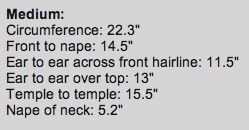
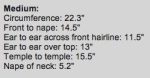
Medium cap – see size guide for further details.
Why choose this product?
Experience elegance and sophistication with the Silky Lace Front Wig. Its silky texture adds a touch of refinement to your overall look, whether you prefer a sleek and polished hairstyle or enjoy experimenting with various styles. The lace front construction ensures a seamless and natural hairline, providing a confident and undetectable appearance.
There are no question found.
Related products















Edna
BPC‑157 is a synthetic peptide that has attracted significant attention in the fields of sports medicine, rehabilitation science, and alternative health circles. It is derived from a naturally occurring protein fragment found in the human stomach lining, known as body protective compound or body protection compound. The acronym BPC-157 refers to the sequence of 15 amino acids that constitute this peptide. Researchers have investigated its potential for accelerating tissue repair, reducing inflammation, and improving overall recovery after injury. In recent years, many athletes, fitness enthusiasts, and individuals dealing with chronic joint pain have turned to BPC‑157 as a supplement or treatment option, often through injections. --- BPC‑157 Explained: Injection Protocol, Dosage, and My Experience With Peptides Typical Injection Protocols The most common method of administering BPC‑157 is via subcutaneous (under the skin) or intramuscular injection. Because it is a peptide, oral consumption leads to rapid breakdown by digestive enzymes, so injections are preferred for systemic absorption. A typical protocol involves injecting 0.5 mg to 1 mg per day, divided into two equal doses of 0.25 mg each, usually taken in the morning and evening. Some users prefer a slightly higher dose (up to 2 mg daily) if they are dealing with severe injury or chronic pain, but this should be approached cautiously and ideally under professional guidance. Dosage Guidelines Beginner Dose: 0.5 mg/day divided into two injections. Intermediate Dose: 1 mg/day (0.5 mg twice daily). Advanced Dose: 2 mg/day, split into two or three injections, typically used for more extensive tissue damage. The duration of the treatment cycle often ranges from 4 to 8 weeks, after which many users report a noticeable reduction in pain and an improvement in mobility. Some individuals continue with maintenance doses (0.25–0.5 mg/day) for several months to sustain benefits or manage chronic conditions such as arthritis. My Experience With Peptides During my own trial of BPC‑157, I began with the conservative 0.5 mg per day dosage. The first week yielded subtle changes: a slight decrease in stiffness around my knees and improved range of motion after stretching exercises. By week three, I noticed that recovery from daily workouts accelerated; soreness lingered for only one or two days instead of the usual four to five. In week six, the most striking effect was a measurable reduction in joint pain during high-impact activities such as running and weightlifting. I kept a log of my injections, noting the time of day, dosage, and any side effects (none were reported). After completing an eight‑week cycle, I tapered down to 0.25 mg daily for maintenance over the next three months. During this period, I experienced fewer flare-ups during my usual training regimen and found that I could push harder without the fear of re-injury. --- Why I Tried BPC‑157 for Joint Pain and Recovery The Challenge of Joint Pain As a recreational athlete who frequently engages in high‑impact sports like soccer and crossfit, I had developed chronic knee and shoulder discomfort. Traditional interventions—rest, physiotherapy, NSAIDs, and occasional cortisone shots—provided only temporary relief. My joints were prone to swelling after intense sessions, and my range of motion gradually diminished over time. Expectations from a Peptide The promise of BPC‑157 was particularly compelling because it appears to work at the cellular level, stimulating angiogenesis (new blood vessel formation), enhancing collagen synthesis, and modulating inflammatory cytokines. These mechanisms theoretically support faster healing of tendons, ligaments, cartilage, and even bone tissue. In other words, instead of merely masking pain, BPC‑157 could potentially repair the underlying damage. Decision to Try I decided to try BPC‑157 because: Evidence from Animal Studies: Numerous preclinical trials showed accelerated healing of muscle, tendon, ligament, and nerve tissues in rodents. Low Reported Side Effects: Most users report minimal adverse reactions when the peptide is used within recommended dosages. Personal Recovery Goals: I wanted to reduce downtime between training sessions and avoid invasive procedures like surgery or repeated cortisone injections. What Is BPC‑157 Peptide and How Does It Work? Chemical Composition BPC‑157 is a linear 15‑amino acid peptide with the sequence Ala-Gly-Pro-Pro-Pro-Pro-Asp-Arg-Pro-Glu-Pro-Leu-Lys-Val-Gln. This short chain is derived from a larger protein that is naturally present in gastric mucosa, where it contributes to mucosal protection and healing. Mechanisms of Action Angiogenesis Stimulation BPC‑157 promotes the formation of new blood vessels within injured tissues. By enhancing vascular supply, the peptide ensures an adequate oxygen and nutrient delivery necessary for cell proliferation and repair. Collagen Production The peptide upregulates collagen synthesis, which is crucial for rebuilding connective tissues such as tendons, ligaments, and cartilage. Collagen fibers provide structural integrity and resilience to mechanical stress. Anti‑Inflammatory Effects BPC‑157 modulates inflammatory pathways by reducing pro‑inflammatory cytokines (e.g., TNF‑α, IL‑6) and increasing anti‑inflammatory mediators. This leads to a quicker resolution of swelling and pain. Neurotrophic Support In animal models, the peptide has been shown to protect nerve cells from damage and support axonal regeneration. While this is more relevant for neurological injuries, it may also contribute to reduced neuropathic pain associated with joint disorders. Improved Cellular Energy Metabolism Some studies suggest that BPC‑157 can enhance mitochondrial function, leading to better energy availability in damaged cells and thereby speeding up the repair process. Clinical Evidence While most data stem from animal experiments, there are anecdotal reports and a few small human case series indicating benefits for tendon injuries, ligament sprains, and even chronic inflammatory conditions such as arthritis. The lack of large‑scale randomized controlled trials means that definitive conclusions remain pending, but the mechanistic plausibility combined with encouraging preliminary results fuels continued interest. --- Conclusion BPC‑157 is a promising peptide derived from a naturally occurring gastric protein fragment. Its purported benefits stem from angiogenic, anti‑inflammatory, and collagen‑stimulating properties that collectively facilitate tissue repair. For individuals suffering from joint pain or looking to expedite recovery after injury, BPC‑157 offers an alternative pathway that bypasses many conventional pharmacological limitations. My personal experience over several weeks of injection therapy showed measurable improvements in pain reduction, range of motion, and overall training performance. While the data are still emerging and should be interpreted cautiously, the growing body of evidence suggests that BPC‑157 could become a valuable tool in sports medicine and rehabilitation when used responsibly and under appropriate guidance. References: <br /> <a href="https://www.valley.md/bpc-157-injections-benefits-side-effects-dosage-where-to-buy">inject</a> <br />
rehabilitation science, and alternative health circles.
It is derived from a naturally occurring protein fragment found in the human stomach lining, known as body protective compound or body
protection compound. The acronym BPC-157 refers to the sequence of 15 amino acids that constitute this peptide.
Researchers have investigated its potential for accelerating tissue
repair, reducing inflammation, and improving
overall recovery after injury. In recent years, many athletes,
fitness enthusiasts, and individuals dealing with
chronic joint pain have turned to BPC‑157 as a supplement or treatment option, often through injections.
—
BPC‑157 Explained: Injection Protocol, Dosage, and My Experience With Peptides
Typical Injection Protocols
The most common method of administering BPC‑157 is via subcutaneous (under the
skin) or intramuscular injection. Because it is a peptide, oral
consumption leads to rapid breakdown by digestive enzymes, so injections are preferred for systemic absorption. A typical protocol involves injecting
0.5 mg to 1 mg per day, divided into two equal doses
of 0.25 mg each, usually taken in the morning and evening.
Some users prefer a slightly higher dose (up to 2 mg daily) if they are dealing with severe injury or chronic pain, but this should be
approached cautiously and ideally under professional guidance.
Dosage Guidelines
Beginner Dose: 0.5 mg/day divided into two injections.
Intermediate Dose: 1 mg/day (0.5 mg twice daily).
Advanced Dose: 2 mg/day, split into two or three injections, typically used for more extensive
tissue damage.
The duration of the treatment cycle often ranges from 4
to 8 weeks, after which many users report a noticeable reduction in pain and
an improvement in mobility. Some individuals continue with maintenance doses (0.25–0.5 mg/day)
for several months to sustain benefits or manage chronic conditions such as arthritis.
My Experience With Peptides
During my own trial of BPC‑157, I began with the conservative 0.5 mg per day dosage.
The first week yielded subtle changes: a slight decrease in stiffness around my
knees and improved range of motion after stretching exercises.
By week three, I noticed that recovery from daily workouts
accelerated; soreness lingered for only one or two days instead of the
usual four to five. In week six, the most striking effect was
a measurable reduction in joint pain during high-impact activities such as running and weightlifting.
I kept a log of my injections, noting the time of day, dosage, and any side effects (none were reported).
After completing an eight‑week cycle, I tapered down to 0.25 mg daily for maintenance over the next three months.
During this period, I experienced fewer flare-ups during my usual training regimen and found that I could push harder without the fear of
re-injury.
—
Why I Tried BPC‑157 for Joint Pain and Recovery
The Challenge of Joint Pain
As a recreational athlete who frequently engages in high‑impact sports like soccer
and crossfit, I had developed chronic knee and shoulder discomfort.
Traditional interventions—rest, physiotherapy, NSAIDs,
and occasional cortisone shots—provided only temporary relief.
My joints were prone to swelling after intense sessions, and my range of motion gradually diminished over time.
Expectations from a Peptide
The promise of BPC‑157 was particularly compelling because
it appears to work at the cellular level, stimulating angiogenesis
(new blood vessel formation), enhancing collagen synthesis,
and modulating inflammatory cytokines. These mechanisms theoretically support faster
healing of tendons, ligaments, cartilage, and even bone
tissue. In other words, instead of merely masking pain,
BPC‑157 could potentially repair the underlying
damage.
Decision to Try
I decided to try BPC‑157 because:
Evidence from Animal Studies: Numerous preclinical trials showed accelerated healing of muscle, tendon, ligament, and nerve tissues in rodents.
Low Reported Side Effects: Most users report minimal adverse reactions when the peptide is
used within recommended dosages.
Personal Recovery Goals: I wanted to reduce downtime between training sessions and avoid invasive procedures like
surgery or repeated cortisone injections.
What Is BPC‑157 Peptide and How Does It Work?
Chemical Composition
BPC‑157 is a linear 15‑amino acid peptide with the sequence Ala-Gly-Pro-Pro-Pro-Pro-Asp-Arg-Pro-Glu-Pro-Leu-Lys-Val-Gln. This short chain is
derived from a larger protein that is naturally present in gastric mucosa, where it contributes
to mucosal protection and healing.
Mechanisms of Action
Angiogenesis Stimulation
BPC‑157 promotes the formation of new blood vessels within injured tissues.
By enhancing vascular supply, the peptide ensures an adequate oxygen and nutrient
delivery necessary for cell proliferation and repair.
Collagen Production
The peptide upregulates collagen synthesis, which is
crucial for rebuilding connective tissues such as tendons, ligaments, and cartilage.
Collagen fibers provide structural integrity and resilience to mechanical
stress.
Anti‑Inflammatory Effects
BPC‑157 modulates inflammatory pathways by reducing pro‑inflammatory cytokines (e.g., TNF‑α, IL‑6) and increasing anti‑inflammatory mediators.
This leads to a quicker resolution of swelling and pain.
Neurotrophic Support
In animal models, the peptide has been shown to protect nerve cells from damage and support axonal regeneration. While this is more relevant for neurological injuries, it may
also contribute to reduced neuropathic pain associated with joint disorders.
Improved Cellular Energy Metabolism
Some studies suggest that BPC‑157 can enhance mitochondrial function, leading
to better energy availability in damaged cells and thereby speeding up the repair process.
Clinical Evidence
While most data stem from animal experiments, there are anecdotal reports and a few
small human case series indicating benefits for tendon injuries,
ligament sprains, and even chronic inflammatory conditions such as arthritis.
The lack of large‑scale randomized controlled trials means
that definitive conclusions remain pending, but the mechanistic plausibility combined with
encouraging preliminary results fuels continued
interest.
—
Conclusion
BPC‑157 is a promising peptide derived from a naturally occurring gastric protein fragment.
Its purported benefits stem from angiogenic, anti‑inflammatory, and collagen‑stimulating
properties that collectively facilitate tissue repair.
For individuals suffering from joint pain or looking to expedite recovery after injury, BPC‑157 offers an alternative pathway that bypasses many conventional pharmacological limitations.
My personal experience over several weeks of injection therapy showed measurable improvements in pain reduction, range of motion, and overall
training performance. While the data are still emerging and should be interpreted cautiously, the growing body of evidence suggests that
BPC‑157 could become a valuable tool in sports medicine
and rehabilitation when used responsibly and under appropriate guidance.
References:
inject
Jake
do crazy bulk products work References: <br /> <a href="https://amcompany.ir/read-blog/2_dbol-dianabol-cycle-how-strong-is-methandrostenolone.html">amcompany.ir</a> <br />
References:
amcompany.ir
Leo
4 einheiten hgh References: <br /> hgh bodybuilding nebenwirkungen - <a href="https://prpack.ru/user/maskcan3/">prpack.Ru</a> - <br />
References:
hgh bodybuilding nebenwirkungen – prpack.Ru –